
laminated glass bulletproof
Understanding Stainless Steel Saddle Pipe Clips A Comprehensive Guide Stainless steel saddle pipe clips are an essential component in various piping systems, offering a reliable and efficient method of securing pipes to surfaces while ensuring minimal damage and maximum stability. These robust and durable fixtures have become the go-to choice for professionals across industries due to their exceptional corrosion resistance, strength, and versatility. The term stainless steel refers to a family of iron-based alloys with a minimum of 10.5% chromium content, which provides its inherent resistance to rust and staining. This makes stainless steel an ideal material for manufacturing saddle pipe clips, particularly in environments where exposure to harsh chemicals or extreme weather conditions is common. Saddle pipe clips consist of a U-shaped body, often with a resilient rubber insert, that fits snugly around the pipe, providing a secure grip without causing any harm to the pipe's surface. The clip's design allows for easy installation and adjustment, as it can be slid along the pipe and tightened using a screw mechanism. This adaptability ensures a perfect fit for pipes of varying diameters, making it a versatile solution for diverse applications. One of the key advantages of stainless steel saddle pipe clips is their durability. The combination of strength and corrosion resistance enables them to withstand high pressure, temperature fluctuations, and mechanical stress, making them suitable for use in industrial settings, plumbing systems, and even in marine environments. Furthermore, their non-magnetic properties and sleek appearance make them a popular choice for aesthetically pleasing installations Furthermore, their non-magnetic properties and sleek appearance make them a popular choice for aesthetically pleasing installations Furthermore, their non-magnetic properties and sleek appearance make them a popular choice for aesthetically pleasing installations Furthermore, their non-magnetic properties and sleek appearance make them a popular choice for aesthetically pleasing installations stainless steel saddle pipe clips . Maintenance of stainless steel saddle pipe clips is relatively straightforward. Regular cleaning with mild soap and water can help maintain their luster and prevent the build-up of dirt and grime. In cases where more aggressive cleaning is required, a solution of vinegar and water or a specialized stainless steel cleaner can be used without fear of damaging the material. In addition to their practical benefits, stainless steel saddle pipe clips also contribute to sustainable practices. Their long lifespan reduces the need for frequent replacements, and at the end of their service life, they can be recycled, minimizing waste and environmental impact. In conclusion, stainless steel saddle pipe clips embody a perfect blend of functionality, durability, and adaptability. Their use in piping systems ensures secure and reliable pipe mounting, while their corrosion-resistant properties make them a cost-effective solution in the long run. As technology continues to evolve, so too will the design and application of these indispensable fixtures, further solidifying their position as a staple in various industries.
about
laminated glass bulletproof
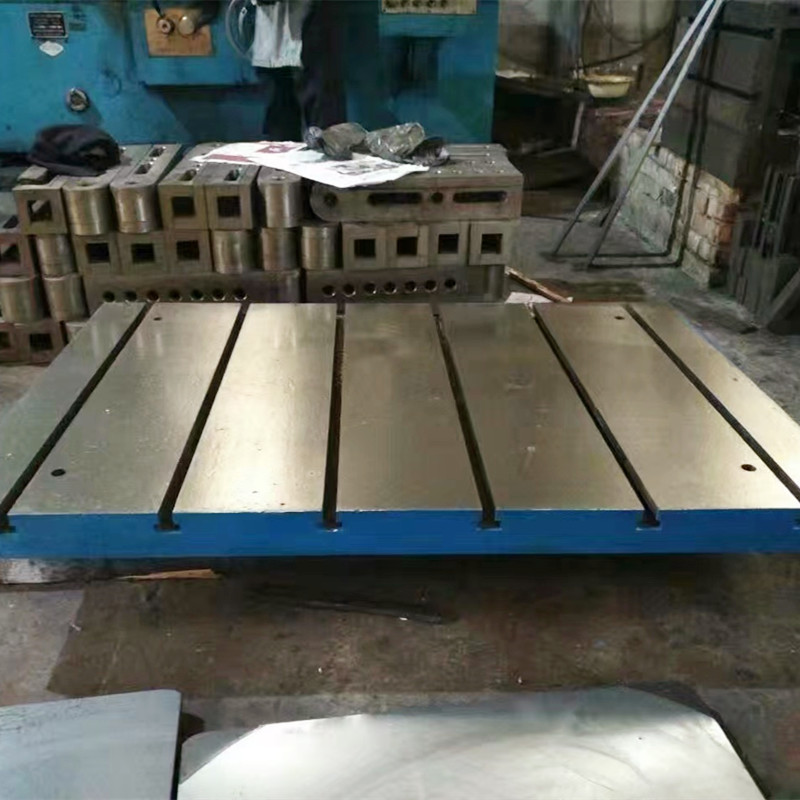
Making a Welding Table A Comprehensive Guide Welding is an essential skill in many industries, from automotive repair to metal fabrication. A good welding table can significantly enhance your work quality and efficiency. In this article, we’ll walk you through the process of making your own welding table, covering materials, construction steps, and tips to ensure it meets your needs. Materials Needed When constructing your welding table, choosing the right materials is crucial. Here’s a list of items you’ll need 1. Tabletop A steel plate is ideal. A thickness of 1/4 inch or more is recommended to withstand the heat and weight of various projects. Commonly, a 4x4-foot or 4x8-foot plate is used, depending on your workspace. 2. Frame You can either use square or rectangular steel tubes for the legs and supports. Tubes with a thickness of at least 1/8 inch are recommended for stability. 3. Wheels (optional) If you want your table to be mobile, add heavy-duty casters with locks. 4. Welding gear Ensure you have appropriate personal protective equipment (PPE), such as a welding helmet, gloves, and a fire-retardant jacket . 5. Tools You will need a welding machine, an angle grinder, a drill, measuring tape, and a level. Step-by-Step Construction 1. Design Your Table Before cutting any material, sketch out your design. Consider the size and shape that will work best for your projects. A square or rectangular table is usually most versatile. Ensure your design includes dimensions that allow enough workspace and room for larger projects. making a welding table 2. Prepare the Top Plate Cut the steel plate to the desired dimensions if it isn't already. Make sure to wear protective gear while cutting to avoid injuries. 3. Build the Frame Cut the steel tubes for the frame. You will need two long pieces for the length and two shorter pieces for the width, along with additional vertical supports based on your design. 4. Assemble the Frame Using your welding machine, start by welding the corners of the frame together. Ensure that each joint is secure and that the frame remains level. A square frame will ensure that your tabletop doesn’t warp as you work. 5. Attach the Tabletop Once the frame is complete and cooled, place the steel plate on top. Secure it by welding along the edges or using bolts if you prefer a removable top. Ensure the plate is flush and even with the frame to avoid any wobbling during use. 6. Add Legs (if applicable) For a stable work surface, attach steel tubes as legs. If you’re using wheels, attach the casters to the bottom of the leg tubes. Make sure the legs are evenly positioned, as this will impact the stability of your table. 7. Finish the Table Grind down any sharp edges and clean the surface of the table to remove any weld spatter. This will help prevent injuries and improve your working environment. 8. Test Your Table Before using your new welding table for substantial projects, test its stability with some lighter tasks. Ensure everything is securely attached, and adjust as necessary. Additional Tips - Add Accessories Consider adding features like a vise, electrical outlets, or a magnetic tool holder to enhance your table's functionality. - Surface Protection To prolong the lifespan of your welding table, consider applying a protective coating or paint designed for high temperatures. - Storage Solutions Utilize below-table storage solutions for tools and supplies, helping maintain a clean and organized workspace. Conclusion Creating your own welding table can be a rewarding project that not only improves your welding setup but also adds a personal touch to your workspace. By carefully selecting materials, following construction steps, and incorporating additional features, you’ll have a sturdy, functional table tailored to your specific needs. Happy welding!
-

High quality industrial productsagement

High quality industrial products
View Details -

Meet the diverse needs of customers

Meet the diverse needs of customers
View Details -

Strict quality control

Strict quality control
View Details -

Top raw materials

Top raw materials
View Details -

Trusted supplier

Trusted supplier
View Details
Our application

news and information

Versatile 3x4 Welding Table for Efficient Metal Fabrication and Projects
The Versatility of a 3x4 Welding Table In any metalworking shop, the tools and work surfaces can sig
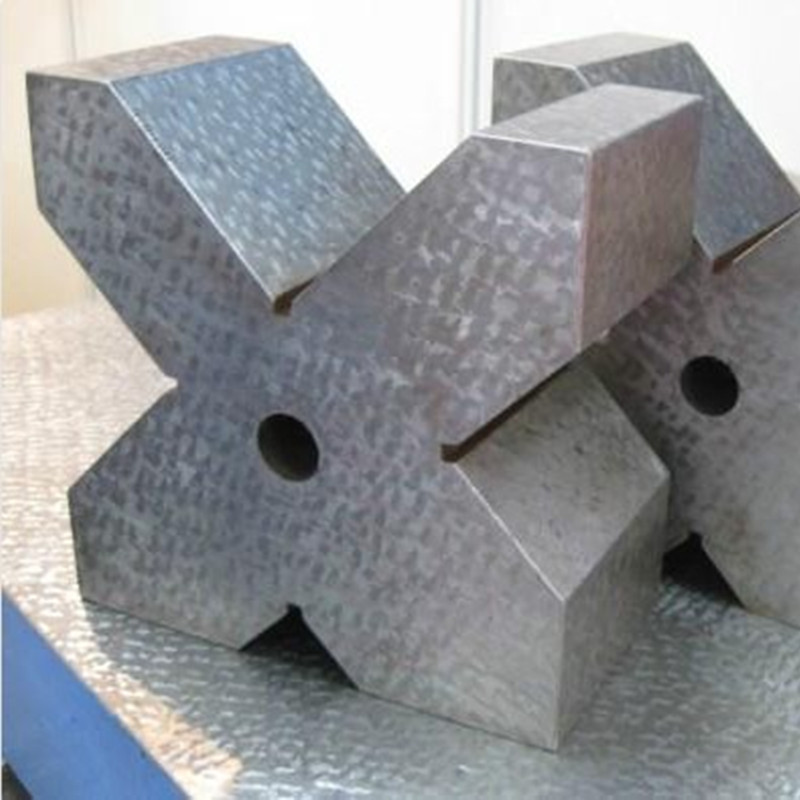
V Blocks for Sale – Precision V Block Types & Cast Iron Vee Blocks
Storaen (Cangzhou) International Trading Co. Official Website: https://www.strmachinery.com E-mail:
Water Hose Shutoff Valve for Efficient Water Control and Usage Management
The Importance of a Water Hose Shut-Off Valve When it comes to managing water flow in your garden or
 English